
Functionality
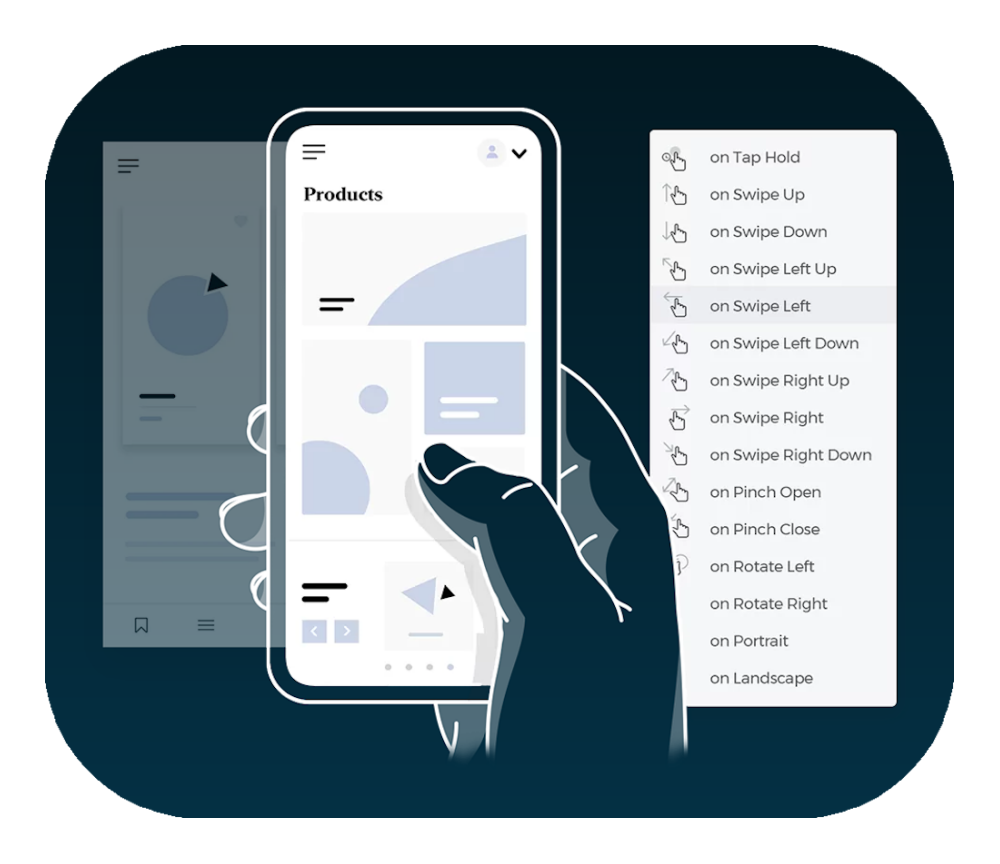
Easy Navigation
Functionality in Web Design
Web design has come a long way from the early 2000s when non-ADA compliant and non-mobile responsive websites were the norm. Today, the landscape of web design is shaped by search engine algorithms and functionality. A website's success hinges on how well it satisfies user needs, navigability, and its ability to facilitate information retrieval and product purchases. Prioritizing functionality over aesthetics can yield significant benefits.
Defining Website Functionality
Website functionality is defined by the ease with which users can navigate a site, access information, and complete transactions. Websites that prioritize functionality over pure aesthetics offer distinct advantages. A beautiful design may be visually pleasing, but it may fall short in delivering actual results. A user visits a website with immediate needs, whether it's information retrieval, making a purchase, or accessing services. A functional website should encompass:
- Simple, well-defined navigation
- Intuitive web design and a clear user experience
- High-quality product visuals and descriptions
- Prominent Call to Actions (CTAs)
- Consistent company blog
Why Website Functionality Matters
A functional website is more likely to attract and retain visitors, prolong their time on the site, and facilitate conversions into leads and customers. A technically sound website, both front-end and back-end, can significantly enhance user experience (UX), search engine optimization (SEO), and ADA compliance.

Working on Webdesign Functionality
UX and SEO
User Experience (UX) and SEO are integral components for converting leads into revenue. In an era emphasizing quality and easy-to-digest content, organizations must focus on both UX and SEO. SEO caters to search engines, while UX targets site visitors, and the two complement each other. A valuable website that is invisible in search engines or a visible site with limited value serves no purpose. Key factors in ranking well for search engines now include site speed, mobile optimization, user engagement, and cohesive content strategy.
Improving page load times, ensuring cross-device compatibility, easy navigation, a cohesive content strategy, and creating a sitemap are some essential practices to improve rankings while adhering to SEO best practices.
Visit our detailed pages on UX and SEO for in-depth insights.
ADA Compliance
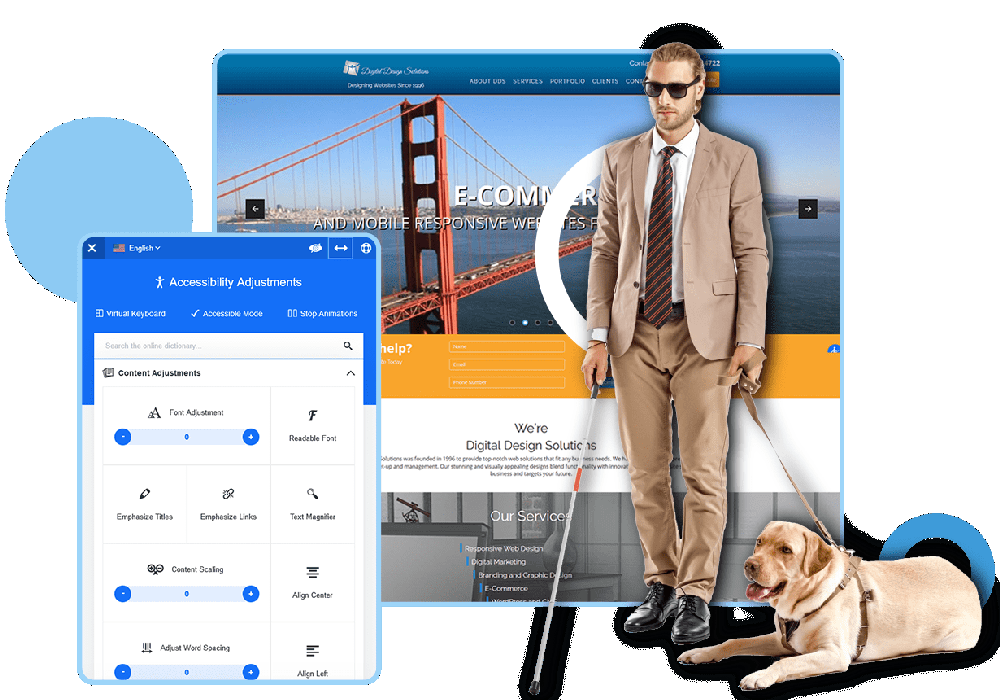
ADA Compliant
The importance of ADA compliance was underscored when Domino's Pizza faced a lawsuit from a blind individual who claimed the company's website and app were inaccessible to people with disabilities. Being ADA compliant not only promotes inclusivity but can also enhance search rankings. The Americans with Disabilities Act Standards for Accessible Design, released in 2010, provide guidelines for businesses to make their websites accessible. Non-compliance opens the door to potential lawsuits.
Visit our detailed page on Accessibility and ADA compliance for in-depth insights.
A Website Is an Ongoing Project
Web design is a dynamic field. People's needs and behaviors evolve, and the ways they interact with digital products change. Meeting customers' needs requires a functional website that adapts and evolves to stay relevant in an ever-changing landscape.